Without understanding motivation architecture, every new product meant reinventing engagement from scratch. Integration opportunities remained invisible and cross-product identity and progression systems couldn't be designed.
After a series of acquisitions brought 100+ disconnected products under Zebra Technologies' Software umbrella, the company needed to understand: What motivates frontline workers to engage with software? I designed a motivation architecture framework that realigned a disjointed portfolio, highlighted 24+ new internal integration opportunities, and enabled external partnership integrations with our existing ecosystem.
workshop facilitation | organization design

my role
Lead Designer/Facilitator
team
12 participants from different business units
project duration
6 months
Informed Axonify & Microsoft Teams partnership – Framework directly shaped learning/engagement platform integration strategy
Influenced Workcloud Sync priorities – Motivation architecture became foundation for cross-device unified platform (see related case study)
Created shared language – 6 business units aligned on motivation design principles
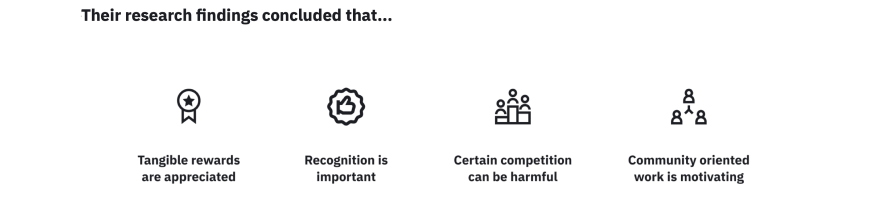
Prior to this work, I mentored a group of students at Tufts University to understand how rewards are perceived by frontline workers. Together, we explored what defines a good reward, what drives behavior change, and what might the implications be when it comes to workplace gamification?
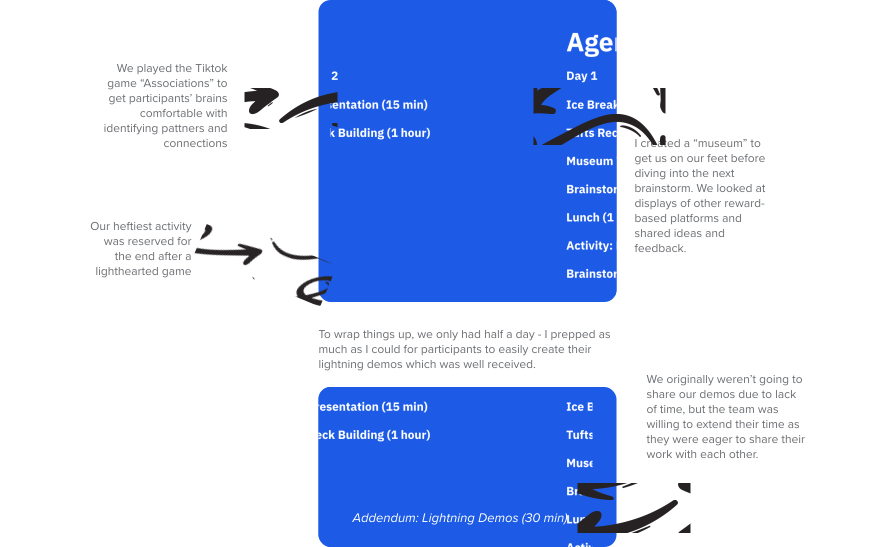
Breaking down the overall objective of this workshop highlighted 3 major areas we needed to breakdown.
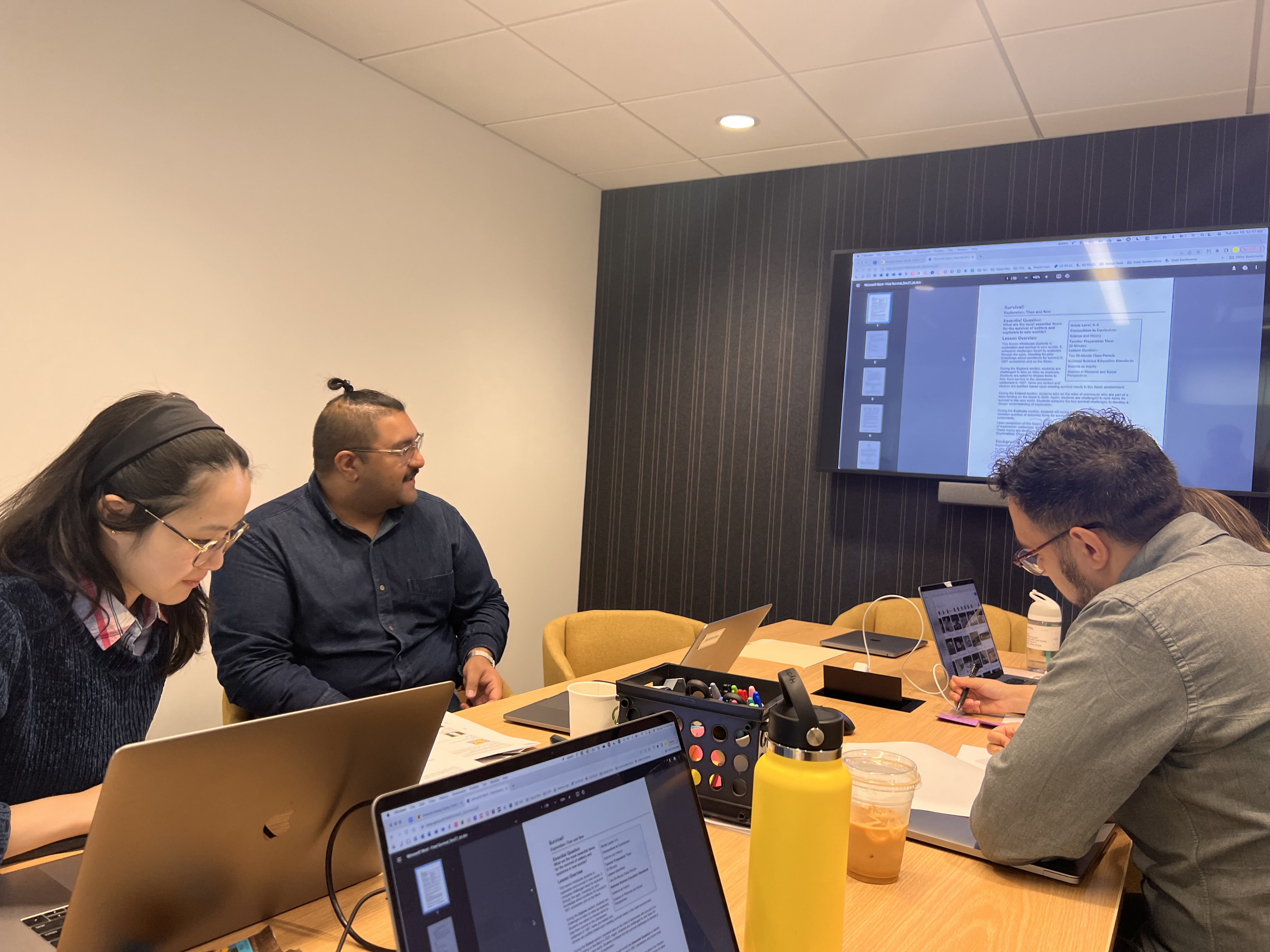
I designed an activity for each of the following areas of interest. Throughout the following activities, the team should be able to (1) identify the drivers in a platform, (2) identify relationships or areas of integration between two different platform’s drivers, and (3) align each instance back to a qualifying reward.
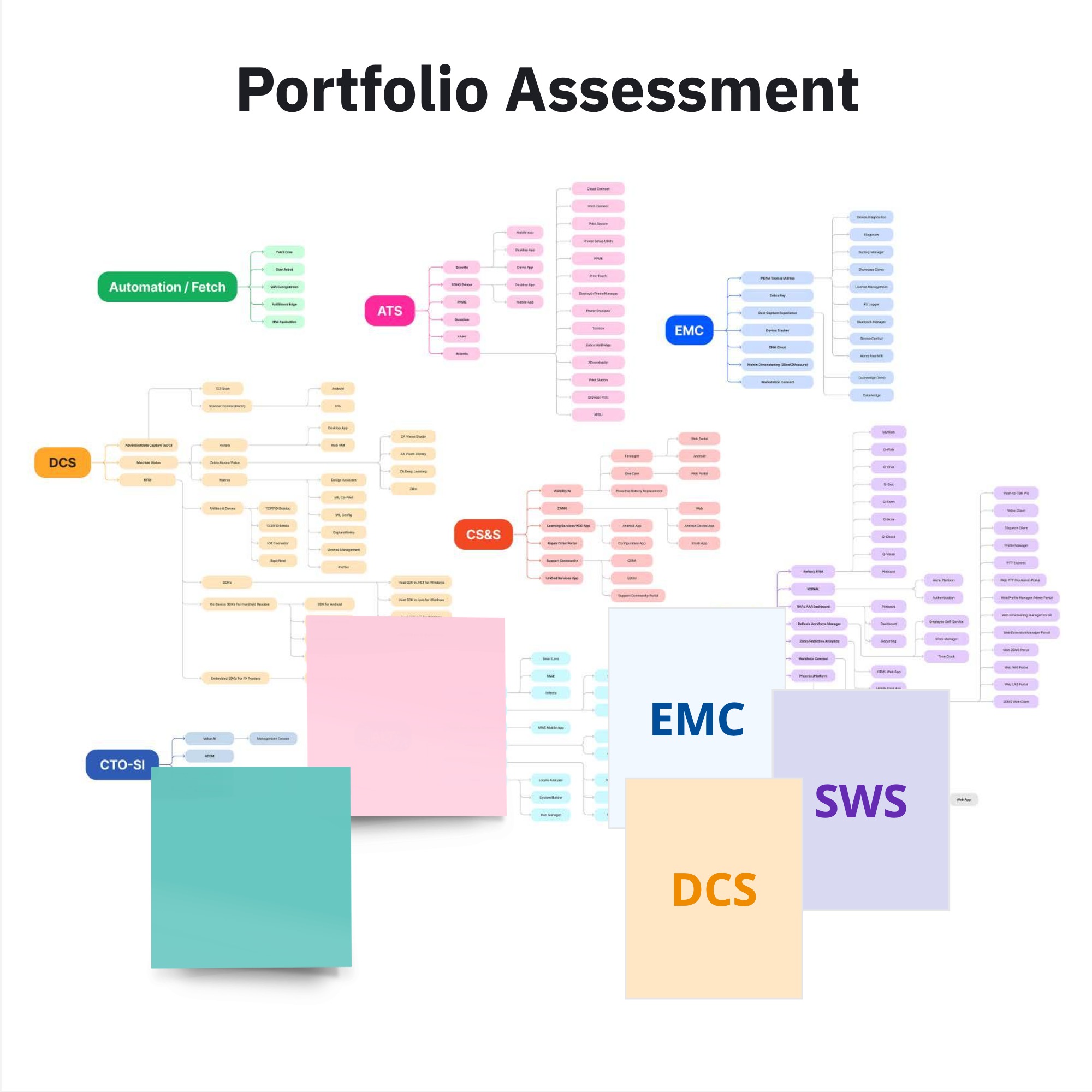
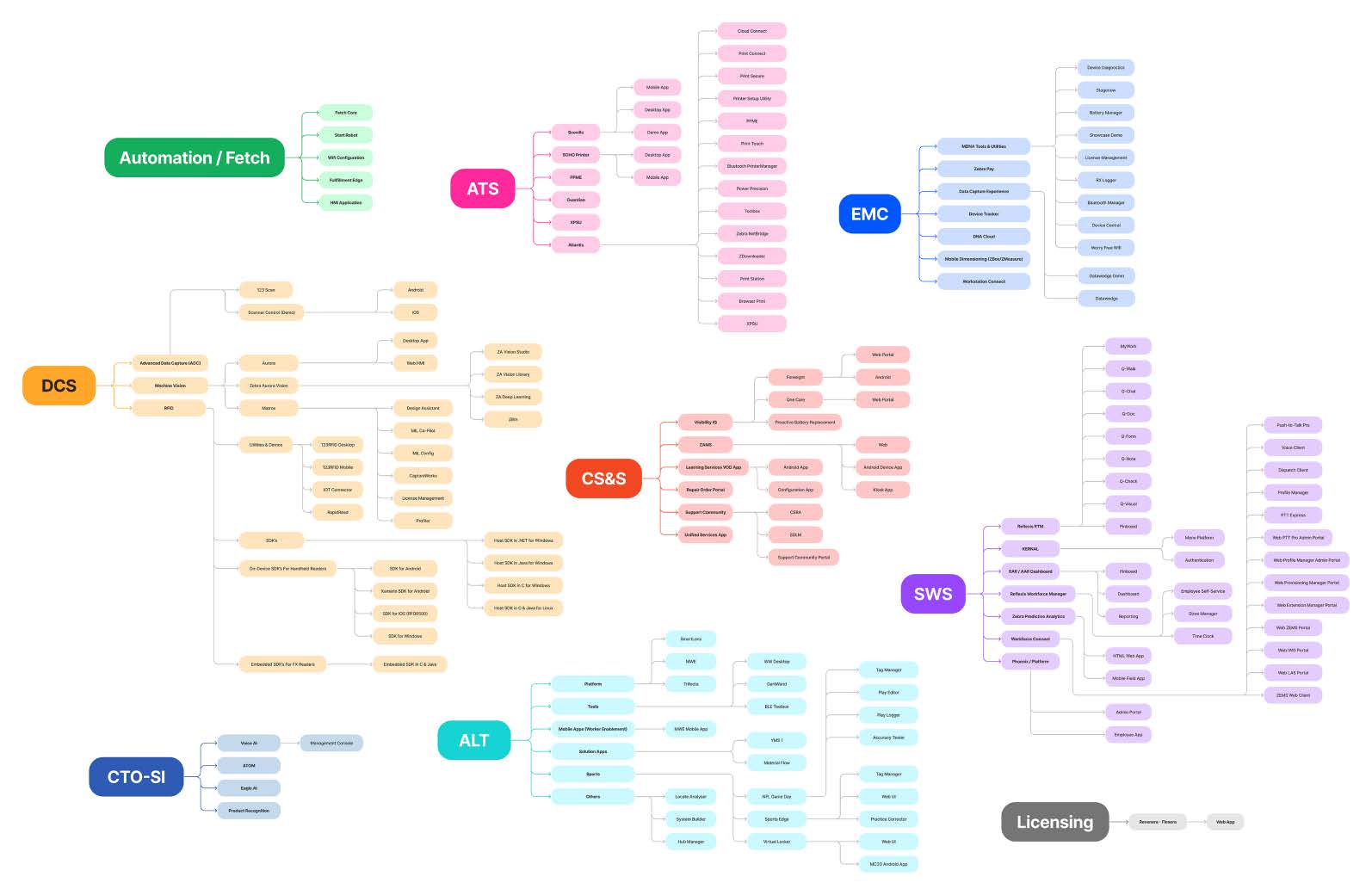
You can't design reward systems without knowing what actions are worth rewarding. Generic points fail because they don't connect to meaningful work. "Drivers" are incentivized actions within a platform. By understanding a platform’s persona and KPI’s, we can identify a driver that can be rewarded.
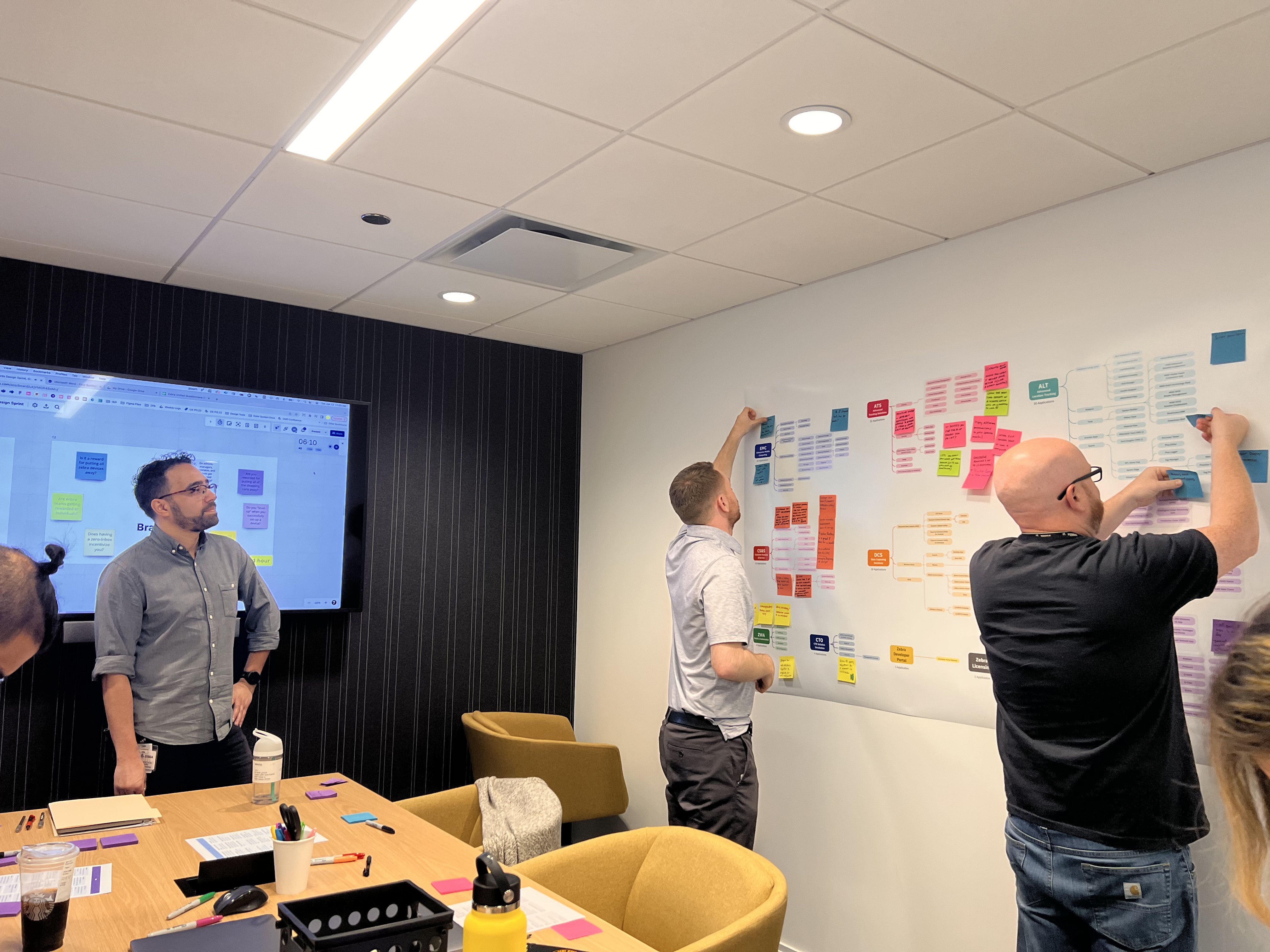
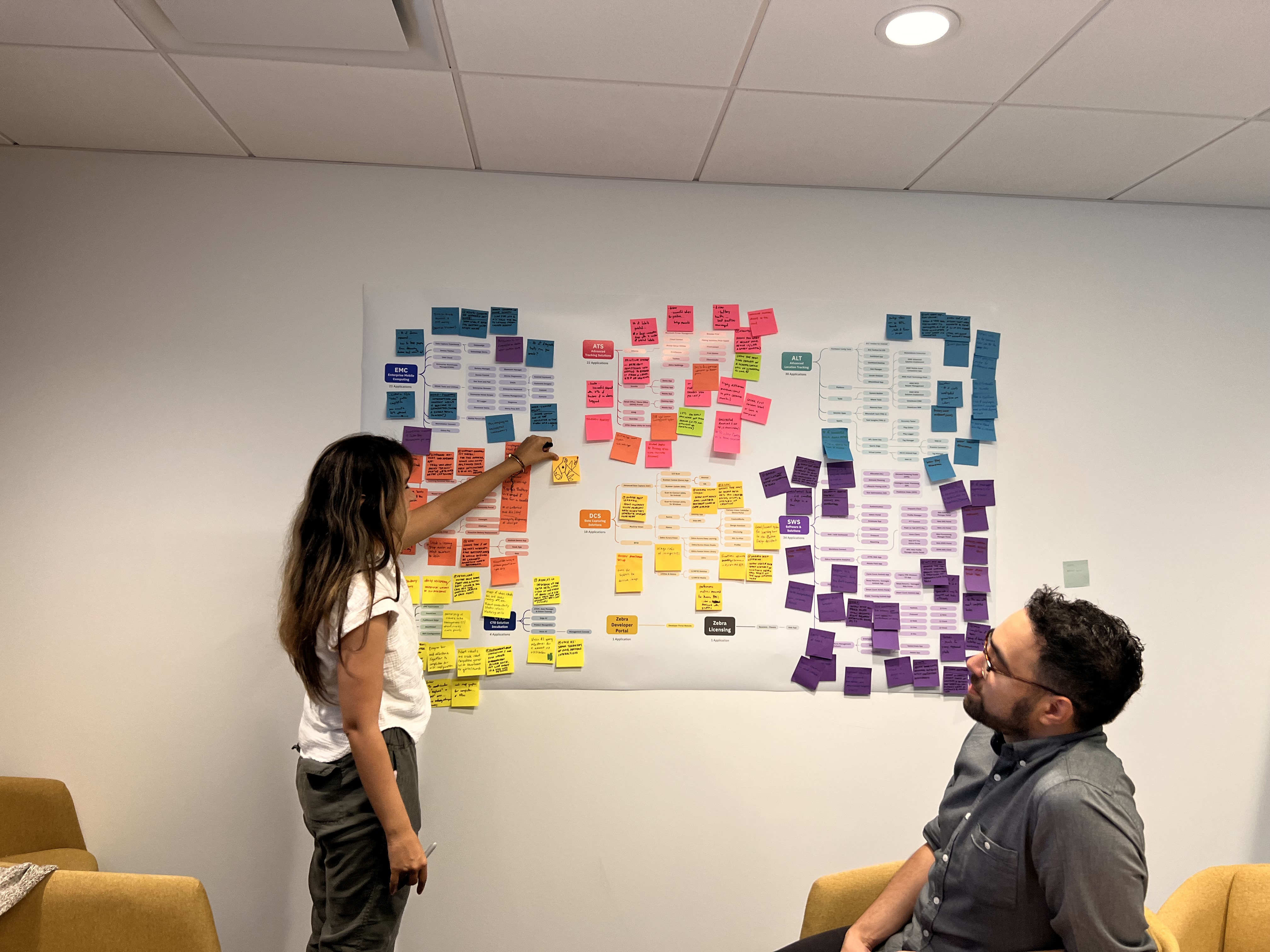
Participants rotated through different business units, brainstorming incentivized actions worth rewarding. Each business unit had a color-coded sticky note system.
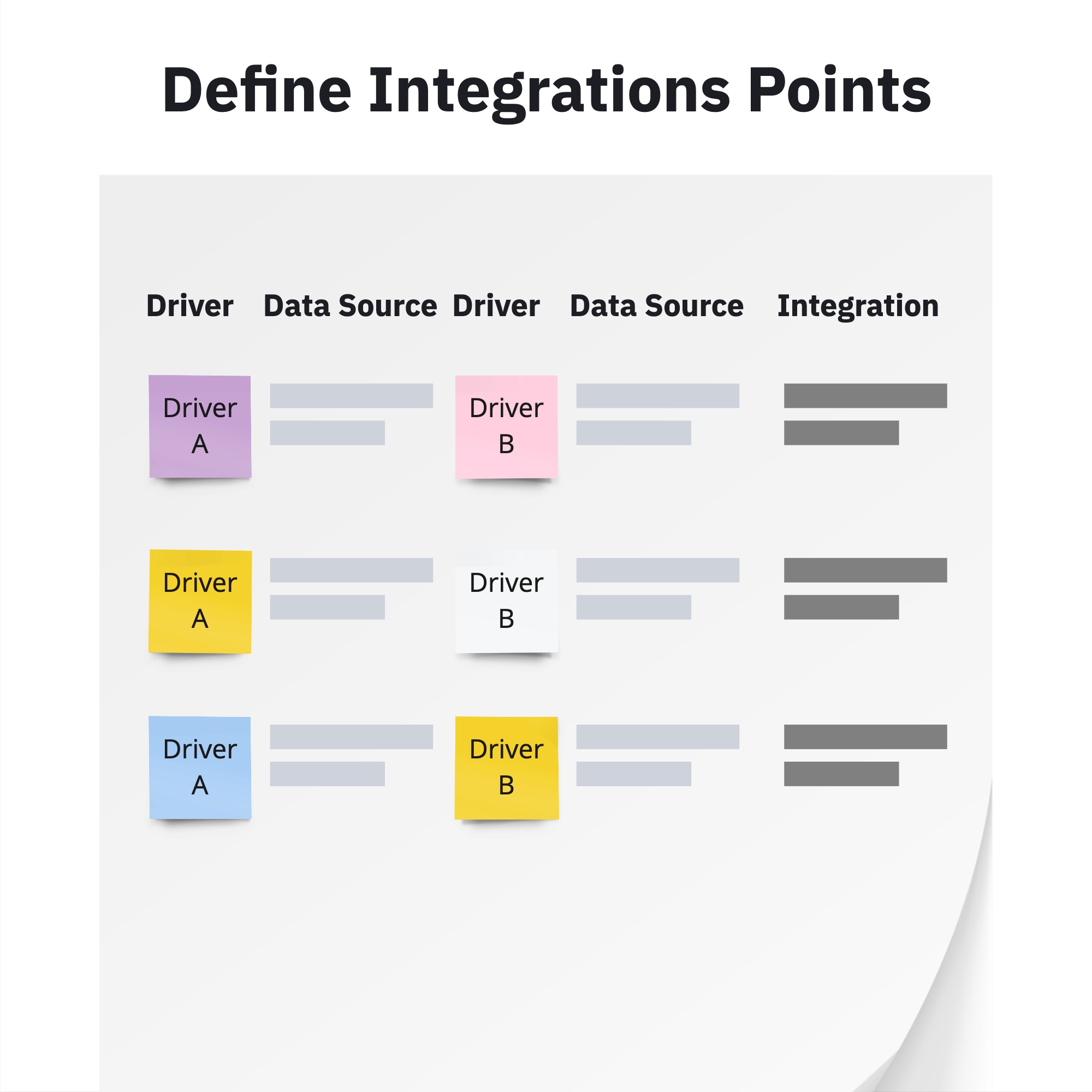
The most valuable reward systems aren't features - They're systems where multiple products compound each other's value. Integration opportunities are invisible without systematic mapping.
Participants paired with someone from a different business unit to identify how platforms could work together. They drew connections between different colored sticky notes and filled out integration formulas.
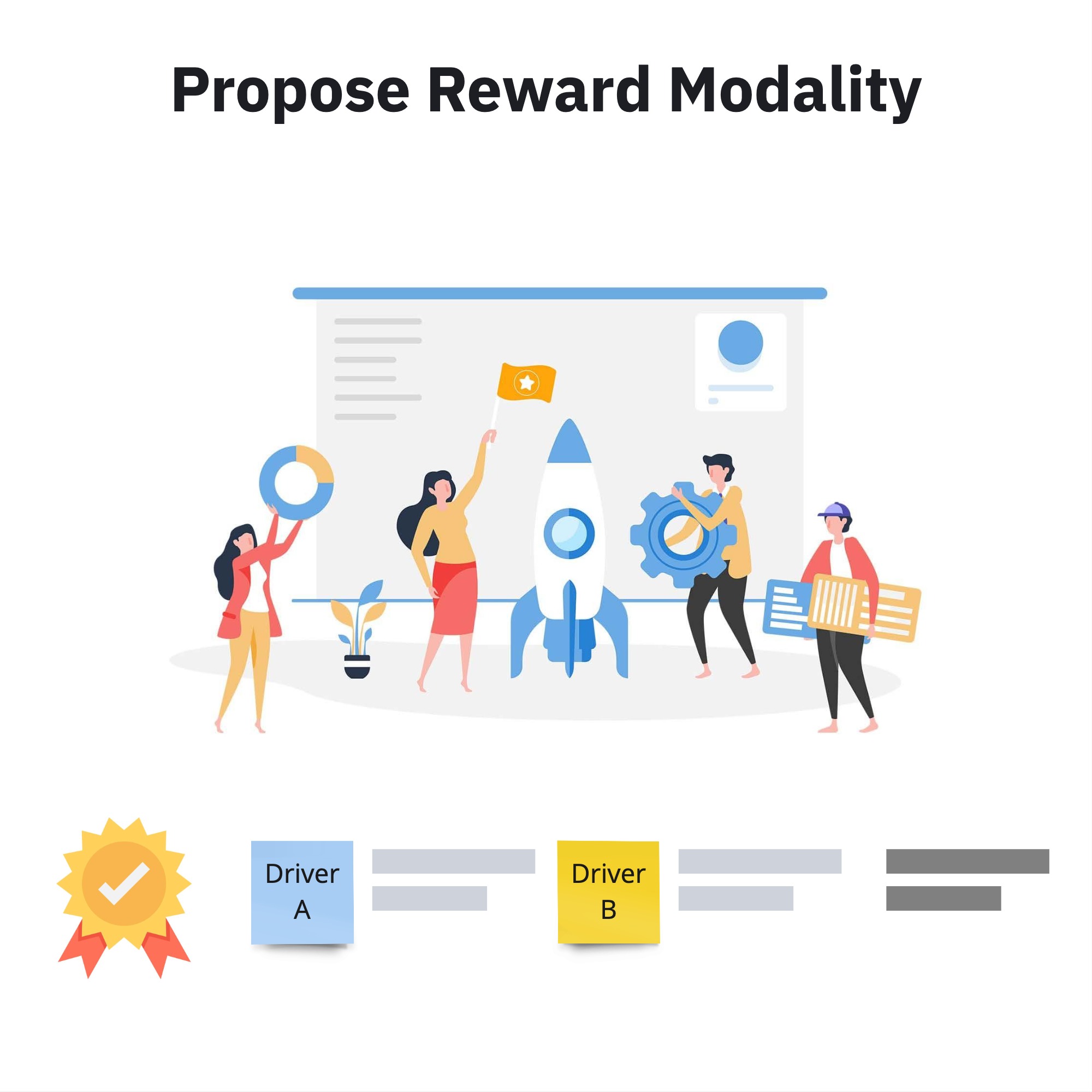
Not all rewards are created equal. Material rewards (points, prizes) drive different behavior than recognition, autonomy, or mastery. Ethical review prevents toxic outcomes.
Teams created "lightning demos" presenting their integration ideas, classifying them by reward type and evaluating ethical concerns.
After day 1, the team aligned on 3 converging themes. Across the portfolio, we highlighted opportunities to reward and incentivize users.
Activating a user is one of the most crucial steps - but can often include arduous subtasks. Being able to acknowledge this initial engagement is critical in retaining interest and motivation from frontline workers.
Frontline workers are often asked to perform repetitive tasks. Making this visible to users and managers can be an opportunitiy to acknowledge accumulated effort, and reward accordingly.
Not all tasks are created equal, and when quantity may not be relevant, quality must be recognized.
Workers were most motivated by rewards that built lasting reputation across different tools. One-time bonuses mattered less than visible, accumulating status.
Identity systems need to persist across contexts and make contributions visible to peers
Leveraging different incentives from multiple platforms improved engagement and interest across the board. For example, task completion + public recognition + skill progression created a motivation loop that no single feature could achieve.
Gamification can create: Surveillance pressure (always being watched), unhealthy competition (toxic leaderboards), system gaming (exploiting mechanics instead of genuine engagement).
Ensuring guardrails are in place during early ideation is a must to maintain user trust and engagement in systems.
Retail workers valued different rewards than healthcare workers. There's no universal reward. Consider the weight of different reward systems across competitive, collaborative, achievement-focused, social mechanisms.